
Estate planning is one of the most important steps you can take to protect your family’s future. Drafting a will, preparing trusts, or setting up powers of attorney ensures that your wishes are carried out and that your loved ones avoid unnecessary legal complications. However, for these documents to hold legal weight, they often require notarization. This is where Anshin Mobile Notary and LiveScan can help.
In this blog, we’ll explore why notary services are essential for wills and estate planning, what documents typically need notarization, how the process works, and how a mobile notary service can simplify everything for you.
The Importance of Notarization in Estate Planning
Why Notarization Matters
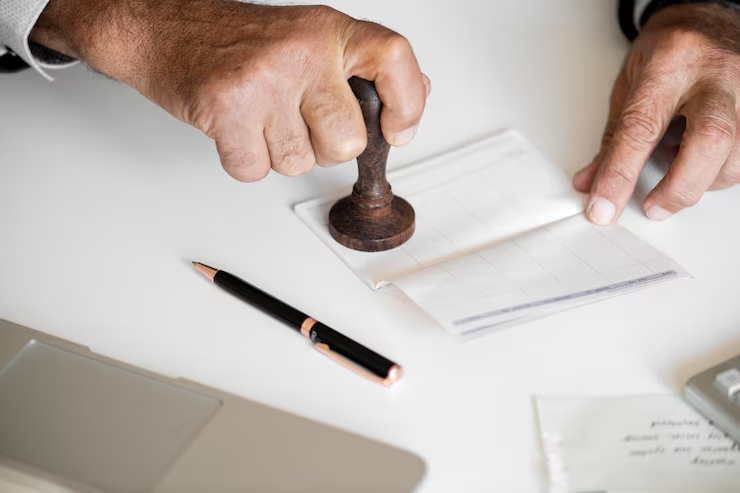
When you prepare estate planning documents, you are making decisions about finances, property, guardianship, and healthcare. Courts need assurance that these documents are authentic, voluntarily signed, and free from fraud. A notary public acts as an impartial witness, verifying identities and ensuring the integrity of the signing process.
Without notarization, your will or estate documents may face challenges during probate or may even be considered invalid in certain cases.
Preventing Fraud and Disputes
Family disputes over wills and trusts are common. Notarized documents reduce the risk of challenges because they demonstrate that the signer understood the document and was not under duress. A notary’s seal adds legal credibility, making it much harder for anyone to contest your estate plans later.
Key Estate Planning Documents That May Require Notarization
Wills
In California, wills are generally signed in the presence of witnesses rather than a notary. However, notarization can provide an additional layer of protection. A self-proving affidavit (attached to a will) is often notarized, which helps speed up the probate process.
Living Trusts
Living trusts are commonly used to avoid probate and transfer assets smoothly. Notarization of a trust document ensures that it meets state requirements and will be recognized by financial institutions and courts.
Power of Attorney
A power of attorney (POA) gives someone legal authority to act on your behalf. Whether it’s financial or healthcare-related, notarization is usually required for POAs to be accepted by banks, hospitals, or government offices.
Advanced Healthcare Directives
These directives outline your medical preferences if you cannot communicate them yourself. In California, notarization (or witness signatures) is required for validity. A notarized healthcare directive ensures your wishes are respected.
Guardianship Declarations
If you’re naming guardians for minor children, notarizing your guardianship declaration provides legal assurance that your chosen guardian will be recognized by the courts.
California Estate Planning Documents: Witnesses, Notarization, and Mobile Notary Use
This quick chart summarizes how common estate planning documents are usually signed in California and when Los Angeles clients often use a mobile notary.
| Document | California Signing Standard | Is Notarization Usually Needed? | Why Los Angeles Clients Use a Mobile Notary |
|---|---|---|---|
| Will | Usually signed by the testator and two witnesses. | Usually no. | Helpful when a signer is elderly, homebound, in a hospital, or needs a properly witnessed signing at home. |
| Durable Power of Attorney | Must be dated and either acknowledged before a notary or signed by two witnesses. | Often yes, especially when the document may affect real property or must be widely accepted. | Useful for urgent financial planning, home visits, office visits, and hospital signings. |
| Advance Health Care Directive | May be acknowledged before a notary or signed by two qualified witnesses. | Optional in many cases, but often chosen for convenience and clear execution. | Common for hospital rooms, rehab centers, nursing homes, and care facilities across Los Angeles. |
| Living Trust or Trust Certification | Execution needs can vary by document and how the trust will be used. | Often yes for trust-related certifications and transactions, especially when institutions request notarization. | Helps families complete trust paperwork accurately without traveling between attorneys, banks, or care facilities. |
| Deed into or out of a Trust | Property transfer documents generally require notarized acknowledgment for recording. | Yes, typically. | Useful when estate planning includes real property and multiple family members need to sign in one appointment. |
Why this chart matters
Many estate planning questions in Los Angeles come down to one issue: which documents need witnesses, which documents benefit from notarization, and when a mobile notary makes the process easier. This chart gives a fast answer while still encouraging clients to confirm document-specific instructions with their attorney or document preparer.
Benefits of Using Mobile Notary Services for Estate Planning
Convenience at Your Doorstep
Estate planning often involves multiple documents and signers. With Anshin Mobile Notary and LiveScan, a notary can come directly to your home, office, or even a hospital if needed. This eliminates the hassle of traveling, scheduling conflicts, or mobility issues.
Ensuring Accuracy and Compliance
Mobile notaries are experienced in estate planning documents. They can ensure that all signatures are in the correct places, witnesses are present if needed, and no steps are missed that could later invalidate the document.
Time-Sensitive Situations
Sometimes, estate planning must be completed quickly, such as before travel, surgery, or sudden illness. Mobile notary services provide flexible scheduling, including evenings and weekends, so your documents are signed without delay.
The Role of Live Scan in Estate Planning
At Anshin Mobile Notary and LiveScan, we also provide fingerprinting services. While fingerprinting isn’t always required in estate planning, it can be an additional safeguard for identity verification, particularly in sensitive situations involving large estates or contested wills.
Common Mistakes to Avoid in Notarizing Estate Documents
Relying Only on Witnesses
Some people believe having two witnesses is enough for estate documents. While this may work for simple wills, other documents—like powers of attorney or trusts—require notarization for legal recognition.
Using an Outdated Document
Laws change, and so do your personal circumstances. If your estate planning documents are outdated, notarization won’t make them effective. Always review and update your documents regularly.
Forgetting Multiple Signers
If multiple people need to sign (for example, co-trustees or spouses), all must be present during notarization. A mobile notary can coordinate schedules to ensure compliance.
How Anshin Mobile Notary and LiveScan Can Help
Expertise in Estate Planning Documents
We understand the sensitive nature of wills and estate planning. Our notaries are trained to handle these situations with professionalism, ensuring accuracy and compliance.
Flexible Mobile Services Across Los Angeles
Whether you’re in your office, home, or a care facility, Anshin Mobile Notary and LiveScan brings notary services to you. This is especially beneficial for elderly clients or those with limited mobility.
Trusted Partner for Families and Attorneys
Many estate planning attorneys in Los Angeles rely on us to notarize their clients’ documents. By choosing us, you gain a partner trusted in both legal and personal settings.
When to Update and Re-Notarize Estate Documents
Major Life Events
Marriage, divorce, birth of children, or significant financial changes often require updates to your will or trust. Any new documents should be notarized to ensure validity.
Changes in Law
If California estate laws change, your documents may need revision. A mobile notary can help you finalize updates without disrupting your schedule.
Relocation
If you move out of state, notarization may need to comply with local laws. Reviewing and re-notarizing ensures your documents remain enforceable.
Frequently Asked Questions About Estate Planning Notary Services in Los Angeles
Do wills in California need to be notarized?
Usually no. In California, a will is generally valid when it is properly signed and witnessed, even though many people assume notarization is required. A notary can still be helpful for related estate planning documents and for reducing signing mistakes, but notarization is not the same thing as drafting or validating the legal terms of a will. If you want help with related estate planning notarizations, see our guide to the role of notaries in estate planning.
Which estate planning documents often need a notary in Los Angeles?
Common documents that often involve notarization include living trusts, trust certifications, deeds connected to a trust, and many financial powers of attorney. Some healthcare documents may be notarized or signed with witnesses, depending on the form and situation. If you are handling trust paperwork, visit our page on notary services for trusts. If you are signing a financial authorization, see our page on mobile notary services for powers of attorney.
Can a mobile notary come to a hospital, nursing home, or care facility in Los Angeles?
Yes. We regularly travel to homes, hospitals, nursing homes, rehab centers, and assisted-living facilities throughout Los Angeles when estate planning documents need to be signed on-site. This is especially helpful when a signer has limited mobility or when timing is urgent. You can also review our general Los Angeles notary services page for appointment basics.
How much does it cost to notarize estate planning documents in Los Angeles?
The total cost usually depends on two parts: the notarization fee and any mobile travel fee. Pricing can vary based on how many signatures need notarization, where the appointment takes place, whether witnesses are needed, and whether the visit is after hours, in a hospital, or on short notice. For many Los Angeles clients, mobile service is worth it because it avoids travel, parking, and delays during important family or medical situations.
Do I need witnesses, a notary, or both for estate planning documents in California?
It depends on the document. A California will usually relies on witnesses. A power of attorney may be notarized or signed by witnesses depending on the form, and some healthcare directives may also be notarized or witnessed. Because the rules differ by document, many Los Angeles families prefer to confirm requirements before the appointment so the signing is done correctly the first time. For California healthcare planning information, you can review the official California advance care directive guidance and our page on advanced healthcare directives.
What should I bring to an estate planning notary appointment in Los Angeles?
Bring the complete unsigned document, valid government-issued photo ID for each signer, and any required witnesses if your attorney or form instructions call for them. Do not sign in advance unless you were specifically told to do so by the document preparer. If the documents involve a trust, power of attorney, or healthcare directive, having the final version ready before the notary arrives helps avoid delays and repeat visits.
Conclusion
Estate planning is about protecting your loved ones and ensuring your wishes are carried out. Notarization adds a vital layer of security, reducing disputes and speeding up legal processes. With Anshin Mobile Notary and LiveScan, you don’t need to worry about scheduling conflicts or last-minute emergencies. Our mobile notary services bring convenience, expertise, and peace of mind directly to your doorstep.
Start securing your future today by reaching out to Anshin Mobile Notary and LiveScan for professional, mobile estate planning notarization in Los Angeles.
Also Read: Do You Need a Notary for Power of Attorney?