
5211 West Adams Blvd., Los Angeles, CA 90016
113 N San Vicente Blvd., Beverly Hills, CA 90211
Fingerprint patterns are formed in the womb and remain unchanged throughout your life. No two people have the same fingerprints — not even identical twins. This uniqueness makes them ideal for personal identification.
Fingerprinting as a method of identification dates back to ancient Babylon and China, but modern forensic fingerprinting began in the 19th century. Sir Francis Galton helped establish the science behind fingerprint classification systems still used today.
There are two primary fingerprinting methods used today:
➡️ Dive deeper into the differences with our post on Live Scan vs. Ink Fingerprinting.
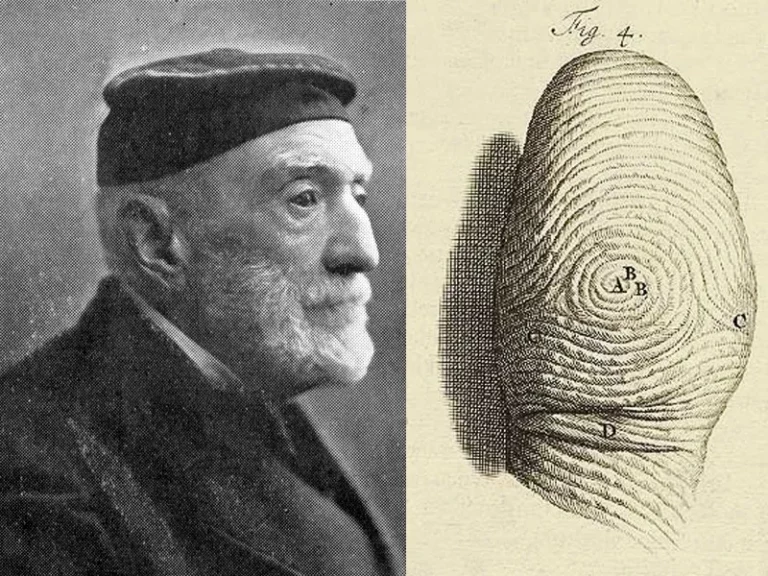
Your fingerprints consist of friction ridges — tiny raised patterns on your fingertips. These ridges determine fingerprint types such as loops, whorls, and arches.
Sometimes fingerprints are unreadable due to:
We use state-of-the-art Live Scan fingerprinting machines to reduce rejection rates and ensure accuracy.
Visit our full Fingerprint Science Blog Series for more insights and updates.
Fingerprints are formed in the womb and remain unchanged for life. The patterns—loops, whorls, and arches—are determined by genetics and environmental conditions during development, making every set unique, even among identical twins.
Because no two fingerprints are alike and they don’t change over time, they are an ideal method for confirming a person’s identity in law enforcement, licensing, and employment background checks.
Live Scan uses a digital scanner to submit prints electronically, typically to the DOJ or FBI. Ink fingerprinting uses FD-258 fingerprint cards and is required for out-of-state or international purposes.
Friction ridges are the raised lines on your fingertips that create fingerprint patterns. They help us grip objects and form the basis for biometric identification.
Rejections often occur due to smudged prints, low ridge detail (common with elderly individuals), scarring, or improper technique. At Anshin Notary, we use advanced Live Scan systems to reduce rejection rates and capture clean prints the first time.
If your prints are rejected, we can help you resubmit with better techniques or switch to ink fingerprinting if needed. We’re experienced with hard-to-capture prints and can guide you through the correction process.
No, fingerprint patterns do not naturally change. However, permanent scars or injuries may affect how prints are read. Despite this, biometric systems and manual examiners can usually still identify usable ridge detail.