
International business deals involve a complex exchange of documents—contracts, financial statements, powers of attorney, corporate resolutions, and more. To ensure these documents are legally recognized across borders, they must go through authentication or legalization processes. Without proper authentication, critical agreements may be rejected, delayed, or deemed invalid.
At Anshin Mobile Notary and LiveScan, we help businesses, entrepreneurs, and professionals navigate the authentication process seamlessly so they can confidently move forward with their global ventures.
In this blog, we’ll break down the different methods of document authentication for international use, why they are necessary, and how to ensure your paperwork is valid abroad.
Understanding Document Authentication
What is Document Authentication?
Document authentication is the process of verifying the legitimacy of a document so that it can be accepted in another country. This ensures that the signature, stamp, or seal on the document is genuine and recognized by foreign authorities.
Why is Authentication Important in International Business?
When businesses expand globally, documents like contracts, powers of attorney, and incorporation papers must often be presented to overseas governments, banks, and corporations. Without authentication, these entities may refuse to process them, delaying transactions and partnerships.
Apostille vs. Legalization
Apostille Certification
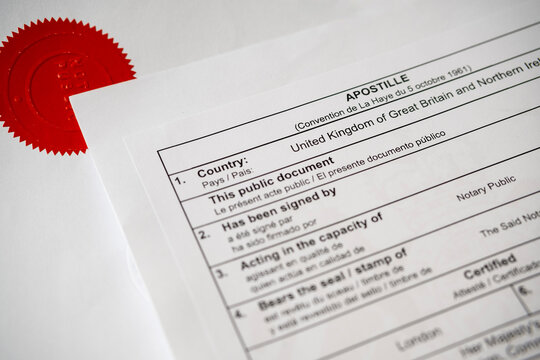
If the country you are dealing with is a member of the Hague Apostille Convention, your documents will require an apostille. An apostille is a standardized certificate that verifies the authenticity of a document for international use.
- Commonly used for contracts, corporate documents, and notarized records.
- Speeds up cross-border acceptance of paperwork.
- Accepted in over 120 countries worldwide.
Consular Legalization
If the receiving country is not a member of the Hague Convention, the documents must go through legalization. This is often more complex and involves multiple steps:
- Authentication by a local Secretary of State or federal authority.
- Verification by the U.S. Department of State (if applicable).
- Final legalization by the foreign country’s consulate or embassy.
Which One Do You Need?
- Apostille: For business deals with Hague Convention countries like France, Spain, or Japan.
- Legalization: For transactions with non-member countries like the UAE, China, or Saudi Arabia.
Steps to Authenticate Documents for International Business
Step 1: Notarization
The first step is often having the document notarized. A notary public, such as those at Anshin Mobile Notary and LiveScan, will verify the signer’s identity and witness the signature.
Step 2: State Authentication
Once notarized, the document may need authentication from the Secretary of State in the state where the notary is commissioned.
Step 3: Federal Authentication (if required)
For documents issued by federal agencies (e.g., FDA, USPTO, IRS), the U.S. Department of State may need to authenticate them.
Step 4: Apostille or Consular Legalization
- If the destination country is part of the Hague Convention, the apostille is attached.
- If not, the document must be legalized through the consulate or embassy of that country.
Types of Business Documents Requiring Authentication
Corporate Documents
- Articles of incorporation
- Certificates of good standing
- Business licenses
Financial Documents
- Bank statements
- Investment agreements
- Loan contracts
Legal Documents
- Power of attorney
- Employment contracts
- Partnership agreements
Intellectual Property Documents
- Trademark or patent registrations
- Technology transfer agreements
Challenges in Document Authentication
Time Sensitivity
Delays in authentication can stall mergers, acquisitions, or business openings abroad.
Country-Specific Rules
Each country has different requirements, and missing a step could invalidate your document.
Fraud Prevention
Authentication prevents fraud by ensuring that signatures and seals are genuine
How Anshin Mobile Notary and LiveScan Can Help
At Anshin Mobile Notary and LiveScan, we specialize in:
- Mobile notarization services for busy professionals and businesses.
- Document preparation guidance to ensure your papers meet state and federal requirements.
- Apostille and legalization assistance to streamline international acceptance.
- Live Scan fingerprinting services for background checks, often required in international business licensing.
Whether you’re negotiating contracts abroad, opening a foreign subsidiary, or managing cross-border legal matters, our team ensures your documents are authenticated efficiently.
Best Practices for Smooth Authentication
Verify Destination Country Requirements
Before submitting documents, confirm whether the destination country requires apostille or legalization.
Work with Experienced Professionals
Notaries and apostille services like Anshin Mobile Notary and LiveScan ensure that you avoid errors that can delay deals.
Allow Extra Time
Start the process early, as embassy legalizations may take weeks.
Keep Certified Copies
Always keep notarized and authenticated copies for your business records.
Frequently Asked Questions (FAQs)
1. What is the difference between notarization and apostille?
Notarization verifies a signature within the U.S., while an apostille makes the document legally recognized in a Hague Convention country.
2. How long does it take to authenticate documents?
It can take anywhere from a few days (apostille) to several weeks (consular legalization), depending on the country.
3. Can business contracts be authenticated for overseas use?
Yes, contracts can be notarized, authenticated, and either apostilled or legalized for recognition abroad.
4. Do I need to visit a notary in person?
With Anshin Mobile Notary and LiveScan, a mobile notary can come to your location for convenience.
5. What happens if my documents are not authenticated?
If not authenticated, foreign governments or institutions may reject them, causing delays or legal complications in your business dealings.
Conclusion
International business requires more than just strong negotiations—it requires paperwork that carries legal recognition across borders. Authentication through apostille or consular legalization ensures that your documents are accepted worldwide, keeping deals on track.
At Anshin Mobile Notary and LiveScan, we simplify the process by offering mobile notarization, apostille assistance, and legalization support so that your global transactions run smoothly.